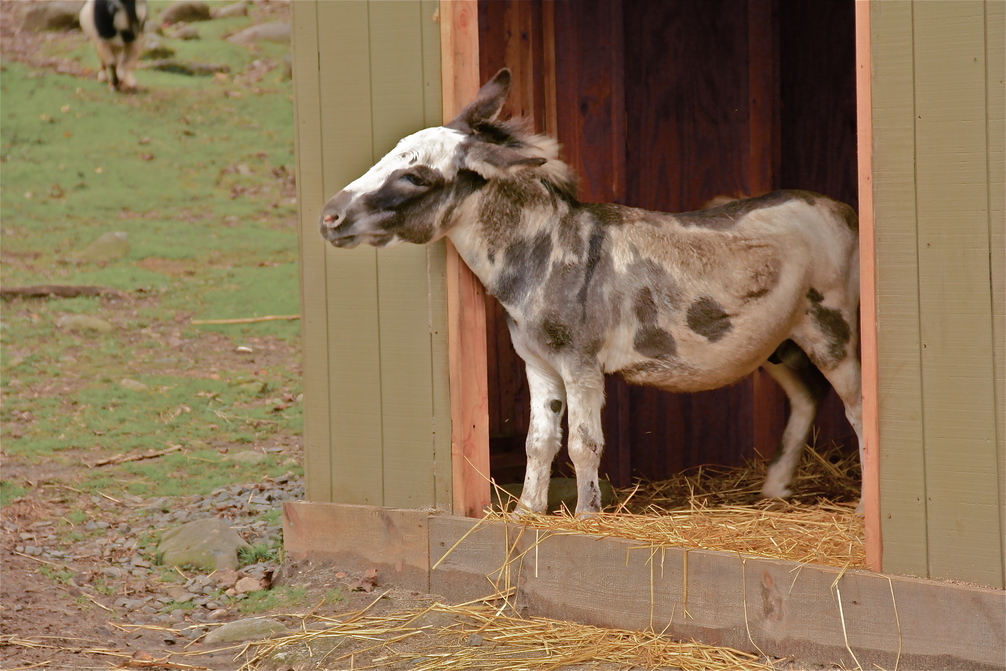
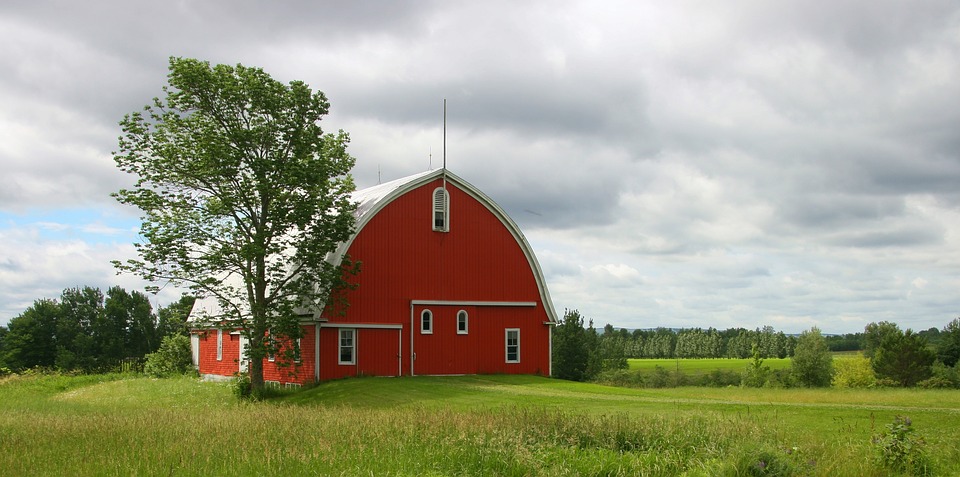
We recently built a new barn to accommodate all of the mini horses on our property. Previously, we were renting out stable space from a neighboring farm, but the logistics of running back and forth between the two properties just didn’t make sense. The brand new barn, which has been a work in progress the last 6 months, has miniature size stables to house 60 of the little guys.
Logistics
Moving day proved tricky – efficiently getting all 52 of our current horses moved, plus all their supplies, hay, etc. arranged required a small army.
The morning of the move, nearby movers, helped us move bulky items from the old barn to the new. Though this is far out of the realm of their typical residential move, they readily agreed to assist (which was a huge relief after calling 4 other area movers who turned me down). The manager sent a team of 3 guys with a truck and a flatbed trailer to efficiently move supplies from the neighbor’s barn, 1.5 miles away, and our old barn, about 200 yards away. The three of them worked remarkably fast, transporting watering troughs, hay bales, bridles, saddles, you name it, into the new facility.
By early afternoon, the movers were finished, and we were able to start moving the horses. We have a core group of volunteers who regularly help out around the farm, so they, along with extended family and friends began moving the horses. We have two trailers that will hold 4 horses each, so it only took 5 loads to get the 20 or so horses from our neighbor’s barn. The rest were easily enough led by bridle to their new home.
The New Space
Each horse now gets to bed down in their own miniature sized stall. At 6″ x 8″, these stalls provide ample space for our miniature friends, while making more efficient use of square footage and materials, since the height of the stalls is proportionately lower than the old stalls as well.
The barn is BIG. Just a single story, we have 30 stalls on each side of the barn, with wide walkway in between and some storage space creating a divider in the middle. The barn measures a whopping 200 feet by 30 feet, so it’s definitely Texas sized! I’m a huge Joanna Gaines fan (Fixer Upper on HGTV), so when designing this barn I tried to channel some of her style, with rustic touches including window boxes on the outside of the barn, shiplap on accent walls in the barn, and modern pipe shelving in the storage/work areas. I know the horses could care less about these touches, but I wanted to make the space welcoming for our frequent parade of visitors.
Grand Opening
Stay tuned for more information about our upcoming big reveal!